If you are clearing out household waste, you may want to arrange for bulky waste collection. But what are bulky household items? We look at what is considered bulky waste.
What Is Bulky Waste For Householders?
In the world of waste disposal, there are certain items commonly found in UK households known as "bulky waste". This type of waste can be a nuisance for householders, especially when renovating or clearing out your home or property. As the name might suggest, "bulky" waste can be incredibly difficult to move, let alone dispose of, without professional help.
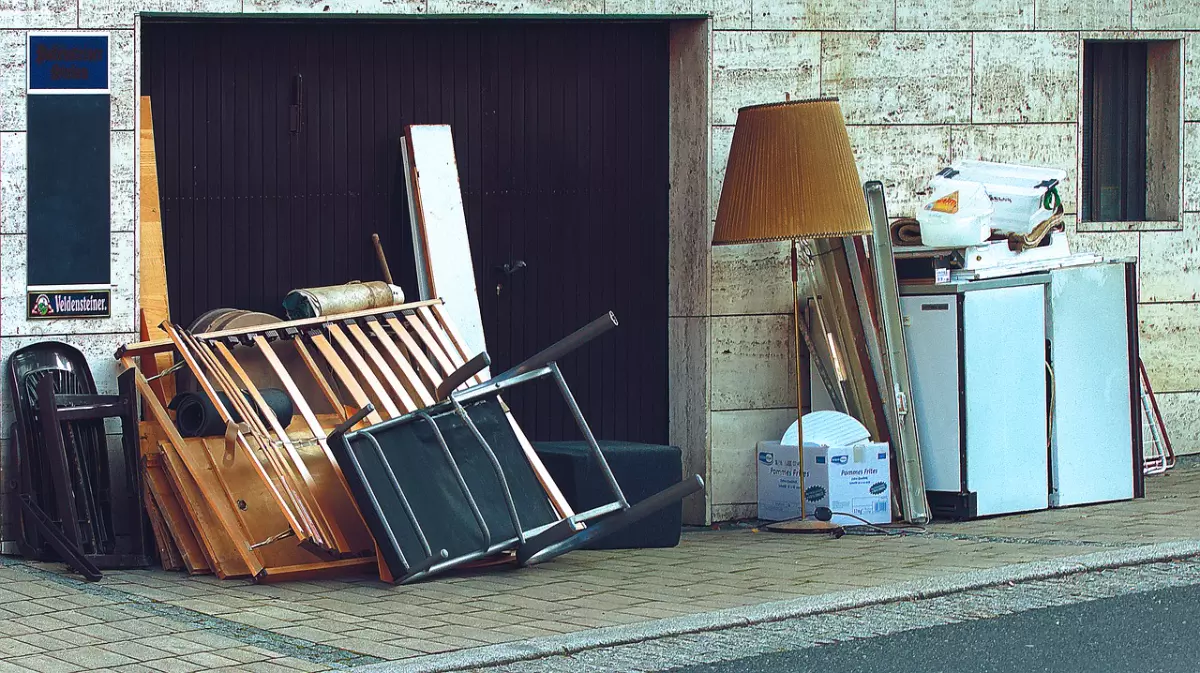
On a more specific note, bulky household waste can be defined as items or materials that you want to dispose of that cannot be sold, donated, or that will not fit inside a conventional wheelie bin. You can see why these items or materials would need a professional hand in helping to remove them from properties.
Residents can use an appropriate council collection or household waste recycling centre, or arrange a registered private collector. The right route depends on the item, its condition and the service’s accepted-material list.
Bulky waste can be further divided into two types: clean and dirty. Clean bulky waste refers to bulky items such as furniture, soft furnishings, carpets, mattresses, packing materials and appliances, such as fridges, washing machines and dishwashers.
Dirty bulky waste refers to unwanted household items and materials such as doors, windows, fence panels, garden waste, flooring, doors, windows, kitchen units, bathroom units and general renovation or DIY waste, such as old tiling and rubble.

These definitions might be slightly confusing for homeowners or private landlords, given that local councils do not differentiate between the two types of bulky waste.
Council bulky collections commonly carry a fee. Check the council’s current prices, accepted items and booking arrangements.
The “clean” and “dirty” labels used here are informal descriptions, not a substitute for a collector’s accepted-item rules.
DIY and renovation materials may need a different collection from furniture or appliances. Waste generated by a contractor is business waste, while qualifying small amounts from a householder’s own DIY can have a household recycling centre route.
For trade waste, arrange a suitable commercial route. For your own small DIY project, check Kent’s household DIY waste rules and the current allowance before visiting a recycling centre. Do not assume every load of rubble is accepted under the same conditions.
Do you need waste removal in Kent?
Clear It Away provides waste removal services across Kent, including:
Disposal Options For Bulky Waste
While it might sound like a complete headache trying to get bulky waste removed from your home or property, do not worry, there is always a way. If you cannot sell, donate or re-use the items you want to get rid of, there are many other ways to dispose of unwanted items of bulky waste that are legal and easy to arrange for a specific collection date.
Here are a few responsible ways of disposing of bulky waste:
Many retailers offer a take-back service when you need to get rid of bulky waste, such as out-of-date appliances, old furniture and kitchenware. These retailers will replace these old bulky waste items with newer models where possible.
Professional house clearance companies can also remove any bulky waste you struggle to get rid of. They have trained handlers who have a wealth of experience removing household waste and responsibly disposing of any extra items.
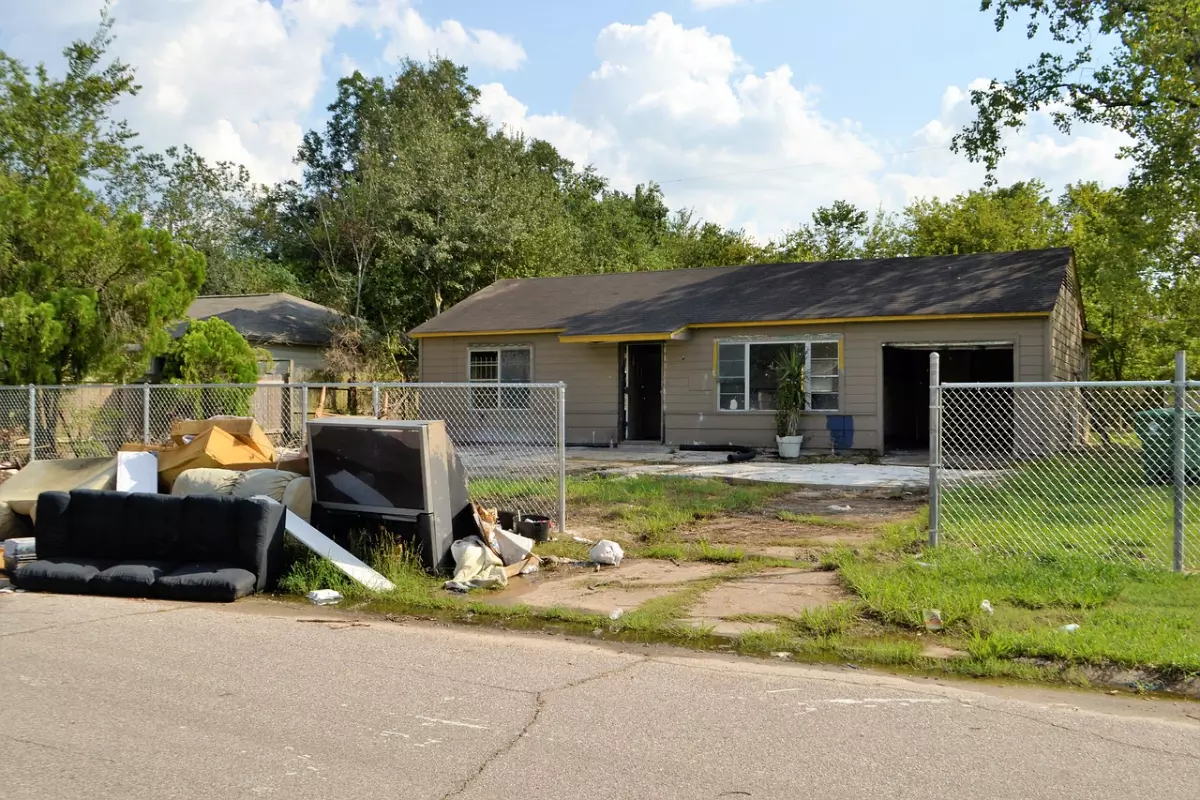
You can take any bulky waste you want to remove from your home or property to your local council dump, civic amenity site, or collections points. These tips, recycling centres and household waste treatment centres are the best way to get rid of any bulky waste you have responsibly. If your local council does offer a bulky collection service, you can take advantage of this service to clear your home or property.
There are other private and commercial options for removing bulky waste, such as man & van services and professional rubbish clearance professionals.
To remove your bulky waste, you can always arrange a professional skip hire or skip bag hire service on a particular collection day. You can dump your waste into the skip or hippo bag you hire, and the service will remove it for you.
Do not burn bulky household items such as furniture, plastics or treated wood. Burning waste can cause pollution and harm health; use an appropriate collection or disposal route. See GOV.UK’s garden bonfire rules.

What Are types of Bulky Household Items?
It will be beneficial to look at what items are considered as bulky waste, in general, by local councils. Again, some councils limit the types of waste, items, or materials they will dispose of on your behalf. Outside of these services, you will have to remove and dispose of the bulky waste yourself.
Here is a selection of the items, materials and waste that most local councils will collect and dispose of on your behalf:
household Appliances
such as fridges, freezers, electric and gas cookers, washing machines, dishwashers, and other items known as "white goods".
electrical Appliances
such as computers or laptops, printers, televisions, radios and hoovers.
household Furniture
such as sideboards, beds, bases, wardrobes, mattresses, dressers and fabric sofas, including three-piece suites
Dining Furniture
including desks, tables, chairs and full suites
Garden Items
this includes wheelbarrows, lawnmowers, rotary washing lines and garden furniture
Childrens Items
such as prams or pushchairs, paddling pools, swings, slides and bicycles
Internal Items
such as doors, linoleum tiles, step ladders and carpets

A selection of the items and materials your local council may not offer collection and disposal of includes:
Dismantling items
such as bathroom suites, oil tanks, storage heaters, boilers, Rayburns, radiators, gas, and fire surrounds
Housing Construction
such as timber window frames, guttering and glass window panes
Hazardous Materials
such as asbestos, which requires professional handling
Large items
such as pianos or car parts
Construction Rubble
This is because it is a responsibility of any commercial contractor to clean up after themselves
External items
such as any outside features or garage doors
Choose a collection route for each bulky item
A mattress, a fridge and a bag of building rubble may all be awkward to move, but they do not necessarily belong in the same collection. Check the collector’s accepted-item list before booking. Describe upholstered seating, electrical appliances and DIY materials separately rather than asking for a price for “some rubbish”.
If an item is still suitable for use, ask a reuse organisation whether it will accept it before arranging transport. For items that have become waste, compare the council’s bulky service, retailer take-back where available, and a registered private collector. GOV.UK bulky-collection guidance explains that most councils charge for this service; council tax does not make every bulky collection free.
Keep waste sofas and upholstered chairs separate
Waste upholstered seating can contain persistent organic pollutants, often called POPs. This changes how it must be handled after it becomes waste. Tell your collector about sofas, armchairs and upholstered dining chairs, and keep them intact rather than cutting up the foam or mixing it into other rubbish.
The Environment Agency’s guidance on waste upholstered seating, updated in July 2026, requires seating containing POPs to follow an authorised destruction route. A wooden cupboard, a mattress and an upholstered sofa should not automatically be treated as the same waste stream.
Plan access before collection day
A useful collection enquiry includes photographs, an item count and the route out of the property. A three-seat sofa on the ground floor is a different lifting job from the same sofa above a narrow staircase. Explain whether there is a lift, whether it can accommodate the item, and how far the vehicle can park from the entrance.
- Measure doorways and the largest item before arranging removal.
- Tell the collector about stairs, restricted parking and shared access.
- Confirm whether items are collected from indoors or must be presented outside.
- Keep escape routes clear and avoid leaving items on a public pavement without permission.
Ask whether dismantling, lifting and disposal are included in the quotation. Confirm any special arrangements before collection rather than assuming every bulky item is accepted.
Current figures put bulky waste in context
England recycled 43.8% of waste from households in 2024, according to Defra’s household waste statistics published in March 2026. This is a national household measure, not a recycling rate for sofas or for this business.
Kent County Council lists 19 household waste recycling centres. Check the chosen site’s booking, vehicle and item restrictions before loading bulky goods. Statistics and local guidance checked on 2 November 2026.
Get in touch today if you have any bulky waste that needs collecting and disposed of correctly in Maidstone and Kent. Our experience and professionalism can help alleviate any stress or concerns you have concerning wastage.